
Lesson 2: Paychecks & Taxes - How To Teach Children Tax In The UK

Understanding Tax
For the purposes of this lesson‚ I am using the term "child" in the broadest sense as for the age of 10 to 16 years when income and taxes can be first introduced meaningfully․ Taxes are money that people and businesses pay to the government. This money is collected from things like wages, buying goods, or owning property. Taxes are important because they help pay for public services that everyone uses. 4
There is evidence that many young people in the United Kingdom reach adulthood with little understanding of taxes and how they affect income and spending 1․ Tax is defined as a compulsory contribution to state revenue by an individual or business‚ levied on income or profit‚ or added to the price of goods and services 3․ Learning about taxation helps children to understand that income does not equal take-home pay‚ because taxes are collected before it is paid out 1․
How Tax Can Be Taught Practically
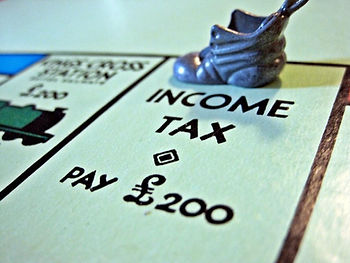
Tax may then be introduced with concrete examples․ For example‚ income tax may be demonstrated by taking a small deduction from pocket money or simulated salary before it is distributed for spending³․
For instance‚ when a child receives £10‚ then a 10% "tax" may be taken away and only £9 given to the child to help them understand simple deductions of real life․
Why Children Should Learn About Tax
Learning about tax also helps young people to understand the world around them and how money works․ These topics are important because they help children understand that earning money in the real world comes with responsibilities as well as rewards²․
It acts as a reminder that children will have to consider tax deductions once they begin working later in life․
Footnotes
¹ OECD – Financial Literacy and EducationExplains that many young people lack understanding of taxation and broader financial systems when entering adulthood.
² MoneyHelper – Teaching Children About MoneyHighlights the importance of early financial education in preparing children for real-world financial responsibilities.
³ Money and Pensions Service – Financial Education ResourcesSupports the use of practical, simplified financial examples to teach children money concepts.


Comments